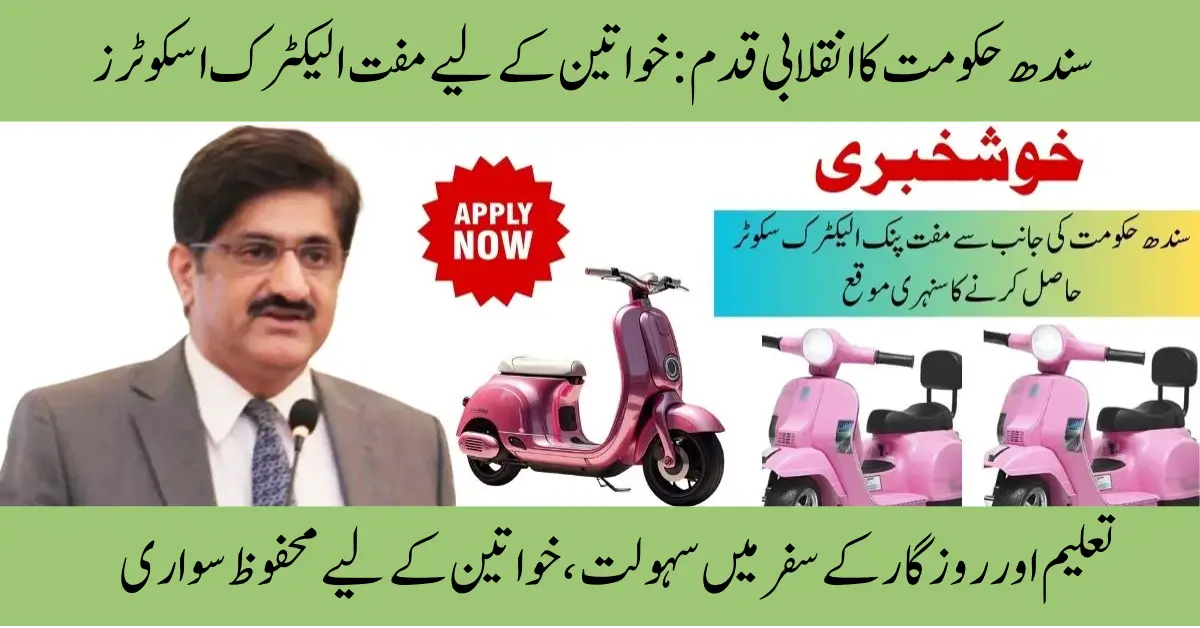
The provincial government is making news with the Pink Scooty Scheme in Sindh that started giving out free electric scooters to women. This initiative is a symbol of freedom, mobility, and power to both the students and working women.
Assuming I were chatting about this over tea, I would explain it as follows: this is not merely about offering free scooters. It is about breaking down one of the several invisible walls that women have when it comes to moving around.
Public transport is not reliable, unsafe or even socially restrictive to many women particularly in small towns or rural regions.
A scooty will provide them with freedom to manage their time so they do not have to find it difficult going to classes, working, or shopping.
It portends a promise on the government part: that mobility in women is not an appendage that has to be added.
It’s easy to underestimate how much time, cost, and emotional burden are involved when transport is a struggle. This Pink Scooty Scheme in Sindh attempts to alleviate some of that burden.
How the Scheme Works: From Application to Key Handover
Let’s break down the process for Pink Scooty Scheme in Sindh so you know exactly what to expect.
1. Announcement & Call for Applications
The Sindh government announced the pink scooter distribution in April 2025.
Later, in September 2025, they shared details about when distribution would begin and how applications would be accepted.
2. Eligibility Criteria
To qualify:
You must be a permanent resident of Sindh (urban or rural).
You need a valid driving licence either for motorbike or car.
You should be either a student or an employed woman.
You agree not to sell or sublet the scooty for at least seven years.
3. Application & Selection
Applications are submitted (in many reports) through an online portal via SMTA or related Sindh transport websites.
The selection is done via a transparent lottery/ballot system, publicly held, with oversight by multiple government departments.
After selection, applicants must pass a road safety / skills test before taking the scooty.
4. Distribution & Aftercare
Beneficiaries receive the scooty free of cost.
The package includes registration, insurance, helmet, and in some cases safety training and EV infrastructure support.
The government is also working on EV charging access across Sindh to support these electric scooties.
Real Voices: What Women Are Saying
I always find stories the best way to feel the impact. Here are a couple of examples circulating in the media:
At a key-handover event, Bilawal Bhutto Zardari gave scooty keys to women beneficiaries and announced additional initiatives like Pink Taxis.
Reports mention that 1,000 pink electric scooters will be distributed under the scheme.
The scheme is being pitched as especially helpful for women who depend on public transit for attending work or school.
These are not just numbers for many women, this is hope literalized in motion.
While the vision is bold, real implementation always has hurdles. Let’s be honest:
Selection fairness: In lottery systems, even deserving applicants may miss out. How well oversight is done matters.
Licence & training barriers: Some women may lack driving licences or road safety training, which could exclude them.
Sustainability of EV support: Without sufficient charging infrastructure, these electric scooters may become less useful.
Maintenance & repairs: Scooty parts, servicing, battery replacement may become costs.
Monitoring misuse: Enforcing the “no sale / no lease” clause for seven years will need follow-up.
These aren’t dealbreakers, but things to keep an eye on.
Personal & Institutional Context: Why This Move Now?
From a broader view, this Pink Scooty Scheme in Sindh doesn’t appear in a vacuum.
Political commitment: The PPP-led Sindh government has shown increasing focus on women’s transport earlier launching a Pink Bus Service dedicated to women.
Budget & resources: Such schemes require serious allocation — scooters, registration, training, insurance all cost money and coordination.
Signal to the country & region: In a socio-cultural context where women’s mobility often is restricted implicitly, distributing scooties is a bold statement.
Net worth and socio-economics: Many beneficiaries come from modest backgrounds. For a family with little disposable income, not having to pay for daily transport or not relying on others matters deeply. This scheme can shift a household’s budget in tangible ways.
How to Apply (Step-by-Step Guide)
If you want to apply for Pink Scooty Scheme in Sindh, here’s how to go about it:
Check if your city/district is covered, first confirm your area is in the scheme’s reach.
Prepare documents: CNIC/residency proof, driving licence, proof of enrollment or employment.
Apply online via the SMTA or Sindh transport portal when applications open.
Await lottery results stay alert for announcements.
If selected, attend the skills / test session to show you can safely ride.
Receive your scooty, helmet, registration, insurance.
Follow guidelines, especially regarding the restriction on sale or lease for 7 years.
Potential Impact: Beyond the Ride
Giving women scooties may ripple into:
Higher employment participation: commuting becomes less of a barrier.
Better educational access: students from farther areas can travel to colleges.
Reduced transport costs: instead of paying for buses, shared rides, or dropping out due to transit costs.
Eco gains: electric scooters reduce emissions, especially if electricity is clean.
Cultural shift: women visibly riding on roads can normalize mobility, independence, and equality.
Conclusion
Sindh’s decision that it distributes scooties under ‘Pink Scheme’ is much more than a symbolic gesture. Pink Scooty Scheme in Sindh is a practical move toward inclusion, freedom of movement, and economic participation. Yes, there are challenges ahead, but the promise is powerful: women who couldn’t travel easily might now have control over where they go. That’s a shift in daily life, dignity, and possibility.
Think of being able to flip over a light switch and be aware of how much you will pay in terms of electricity since your meter is intelligent, transparent and just. That’s the vision behind how the Power Division launches smart meter rollout across Pakistan: a bold initiative to modernize billing, cut theft and bring…
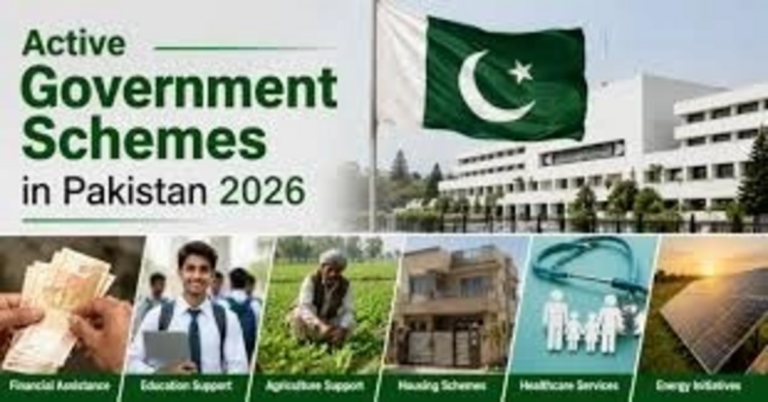
The Active Government Schemes in Pakistan 2026 are playing an important role in improving the lives of millions of citizens. The federal and provincial governments have launched various welfare initiatives to support students, farmers, entrepreneurs, women, and low-income families. These programs focus on education, healthcare, agriculture, housing, and financial assistance. As economic challenges continue to…
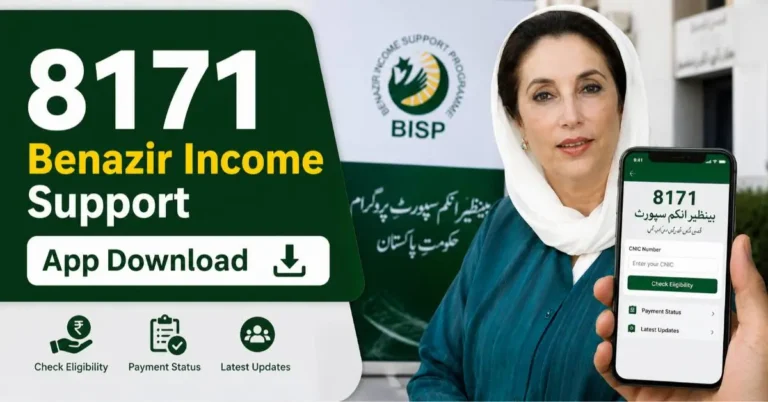
The 8171 Benazir Income Support App Download process has become an important topic for millions of Pakistani families seeking quick access to Benazir Income Support Programme (BISP) services. As digital services continue to expand across Pakistan, beneficiaries can now check eligibility, verify payments, and stay updated about new installments through online platforms and mobile-based solutions….
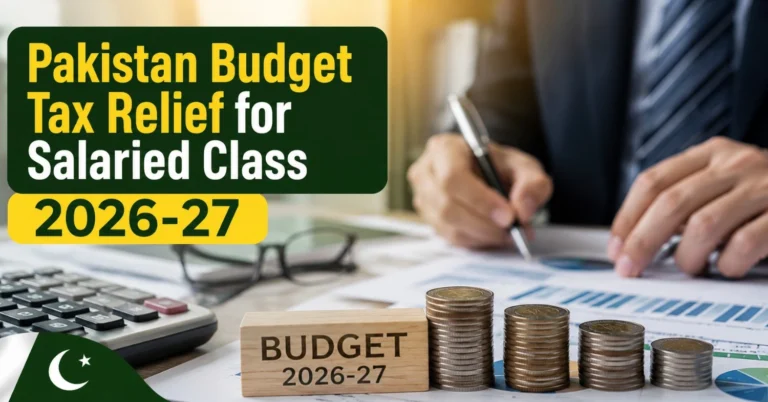
The Pakistan Budget Tax Relief for Salaried Class 2026-27 has become one of the most important topics for employees across the country. With inflation increasing the cost of food, electricity, fuel, healthcare, and education, many salaried individuals have been struggling to manage their monthly expenses. To address these concerns, the government has introduced several tax…
The 8171.bisp.gov.pk Portal 2026 is the official online platform that helps Pakistani families check their eligibility for financial assistance under the Benazir Income Support Programme (BISP). Through this portal, applicants can verify their CNIC, confirm registration details, and track payment status without visiting a BISP office. The government has improved the system to make it…
The CM Punjab Free Solar Panel Scheme 2026 is a major welfare initiative launched by the Punjab Government to provide relief to households affected by increasing electricity prices in Pakistan. Under the leadership of Chief Minister Maryam Nawaz Sharif, the program aims to distribute free solar systems to eligible families across Punjab to reduce monthly…