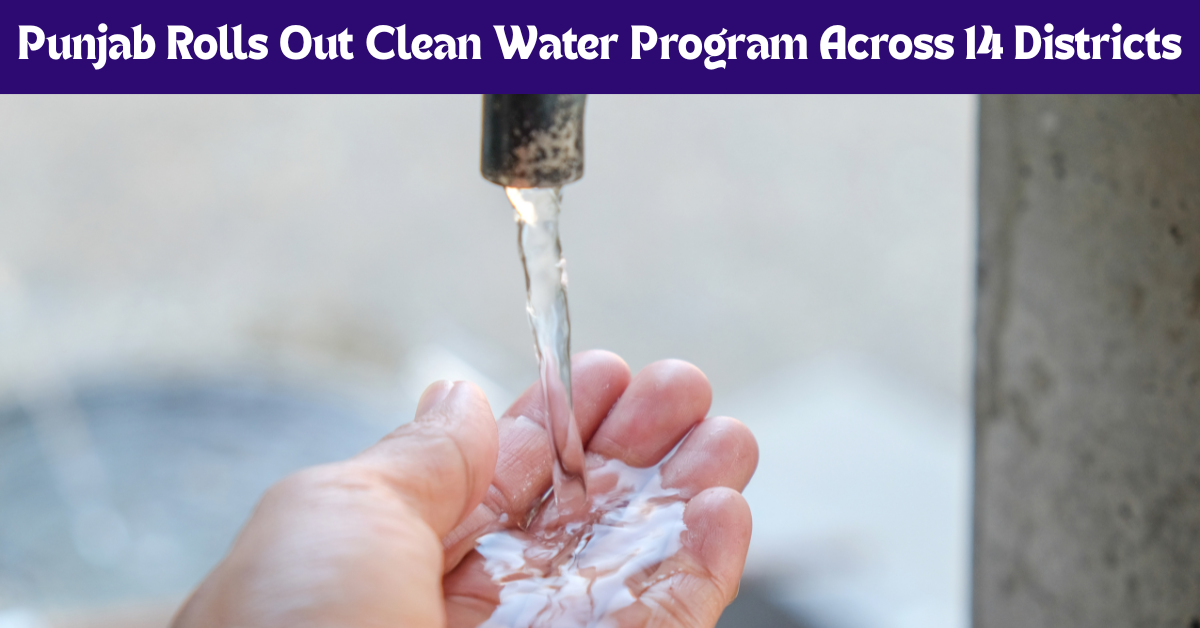
In a significant step toward public wellness, the Punjab government, under Chief Minister Maryam Nawaz Sharif, has unveiled the “Chief Minister Clean Water Program”. A comprehensive initiative designed to supply safe drinking water to underserved communities in 14 districts.
Target Regions and Scope of the Chief Minister Clean Water Program
The program’s initial phase covers both southern and central Punjab, including:
- South Punjab: Rahim Yar Khan, Rajanpur, Dera Ghazi Khan, Layyah, Muzaffargarh, Kot Addu
- Central/North Punjab: Bhakkar, Mianwali, Khushab, Talagang, Chakwal, Jhelum, Rawalpindi, Attock
These areas were prioritized due to longstanding issues with water quality—particularly salinity and arsenic contamination.
Read about: CM Punjab Minority Card 2025
Project Components: Technology Meets Accessibility
Rather than merely distributing water, the program incorporates several infrastructure strategies:
Why It Matters
Proactive Policy in Action
This initiative is an indication of the active, welfare-oriented governance by the Chief Minister. This Chief Minister Clean Water Program was tabled in the 24th Punjab Development Working Party (PDWP) meeting where formal approval was sought.
In addition, the Planning and Development Department quotes indicate that this effort is a component of an even greater drive to make safe water available to all citizens.
Looking Ahead: Consistent Expansion
This is not a one-off effort but rather part of a sustained drive toward safe water access across the province. Previously, the government green-lit 963 filtration plants across Punjab, including in Pothohar and South Punjab, along with surface water treatment solutions.
Additionally, over 900 new filtration units are being deployed across 15 districts in phase one, paired with bottled water supply and treatment setups signaling a high-level commitment to expansion.
Final Take
The Chief Minister Clean Water Program in Punjab is a revolutionary move in service delivery by the government. The initiative is a step toward creating healthier and more resilient communities in 14 districts through infrastructure, smart technology, and strategic deployment. It is supported by strategic vision and expansion plans, which confirm the commitment of Punjab to make clean drinking water a fundamental right, rather than a privilege.